Fine Motor Delays in Westchester County
The buttons she cannot manage. The pencil that never sits right in his hand. You noticed it before the teacher did, and you were right to. Hand skills are built, not waited for, and they respond to practice that is pitched at your child.
What causes fine motor delays?
Fine motor skill is the job of the small muscles of the hand and fingers, and it sits on top of everything underneath it: a steady trunk, a stable shoulder, a wrist that can hold still while the fingers move. When a child struggles to fasten a button, hold a pencil or cut on a line, the problem is almost never effort and rarely only the hand. The occupational therapists at our Port Chester and Mt Kisco clinics look at the whole chain first, then work out which link is holding your child back.

Low tone means muscles that work, but work harder to hold a position. A child with low tone through the forearms and hands can grip, but the grip fades fast, so coloring stops early and letters get bigger and looser down the page. From the outside that reads as disinterest. It is usually fatigue. Building endurance in those small muscles, with resistance a child enjoys, changes what they can sustain.
Fingers can only be precise if the joints above them are quiet. If your child is bracing to stay upright in a chair, or propping on one elbow to keep from sliding, the writing hand is being asked to work off a moving platform. This is why so much fine motor work starts at the core and the shoulder, long before it gets anywhere near a pencil.
Babies born early, or who spent their first weeks in a hospital, often reach hand milestones on their own timeline. Grasping, passing a toy from one hand to the other, and picking up small pieces with the fingertips may all arrive later. That is a starting point, not a forecast, and it is a good reason to get skilled eyes on your child's hands early.
Hands learn by feeling. A child who is uncomfortable with certain textures avoids glue, sand, clay and finger paint, the exact materials that teach fingers what they are doing. A child who registers touch faintly may press so hard the pencil tears the paper, or so lightly the marks barely show. Sorting out the sensory piece often unlocks the motor piece.
Cutting on a line, copying from the board and stacking blocks all ask the eyes and hands to work as one system. Some children pass an eye chart easily and still struggle to guide a hand to what they are looking at, or to track a line while the hand moves along it. Letters end up reversed and spacing drifts across the page.
Children steer away from what feels hard. Every skipped coloring page is practice the hands did not get, so the gap between your child and their classmates widens quietly, without anyone doing a single thing wrong. That is a loop, not a fault, and it is a workable one. The way out is activities pitched at the right difficulty, hard enough to build the skill and easy enough to be worth trying.
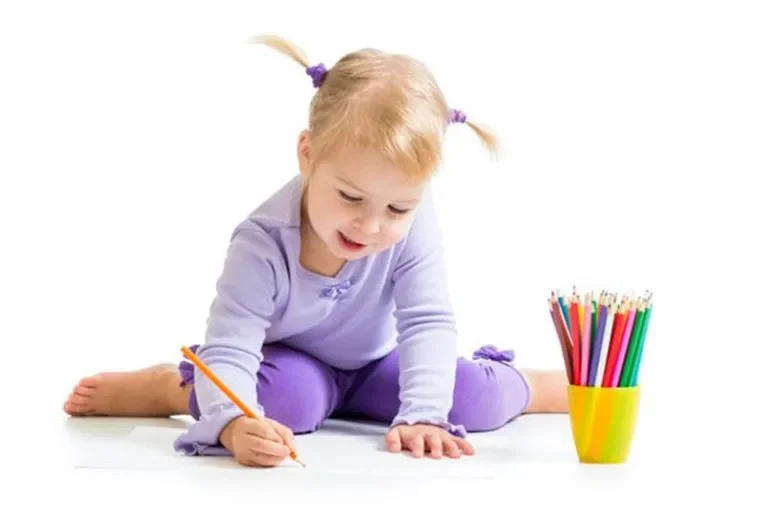
How occupational therapy in Port Chester and Mt Kisco helps.
Occupational therapy for a fine motor delay is not a stack of handwriting worksheets. Your child's occupational therapist finds the level where the skill actually breaks down and rebuilds from there. That can mean strengthening a weak pincer grasp with putty, tweezers and clothespins, steadying the shoulder with work at an easel, or grading a task down until your child succeeds and then adding the difficulty back one notch at a time. Sessions look like play on purpose, because a child who is enjoying something keeps trying and a child who is being corrected stops. You get the reason behind each activity and a short home program that fits into a weeknight.
What to expect from occupational therapy.
The evaluation
We watch how your child grasps, how long the hands last before they tire, how the trunk and shoulder support them, how the eyes and hands work together, and which self care tasks are hard at home. You leave with a baseline, a plain language explanation of the difficulty, and a plan.
Building the foundation
Before the pencil, the platform. Early sessions build the ingredients the skill needs: postural strength, shoulder stability, hand endurance, and comfort with the tools and textures involved. This is the part nobody notices from the waiting room, and it is what makes the visible skill possible.
Doing the actual task
Then we practice the real job: buttons, zippers, a fork, scissors, letter formation, laces. Each task is graded so your child works at the edge of their ability instead of past it, and it is practiced where it matters: getting dressed, eating a meal, keeping up in the classroom.
Keeping it at home and at school
Skills stick when they get used. You get a home program built around what your family already does, plus specific ways to set up your child's seat, paper and tools. Progress is measured against the evaluation baseline, so you can see the change rather than take our word for it. Individual sessions are 45 minutes, one on one.
If your pediatrician has not written a prescription yet, that is not a reason to wait to talk to us. Book the free 15 minute consultation first, and our physician resources page has the codes and referral wording your doctor will need.
Hayley began working with my daughter over Zoom last year, and despite never having met in person, my daughter immediately connected with her. Even through a computer, my daughter was engaged and participated in all of the activities that Hayley directed.
Hand skills never sit on their own.
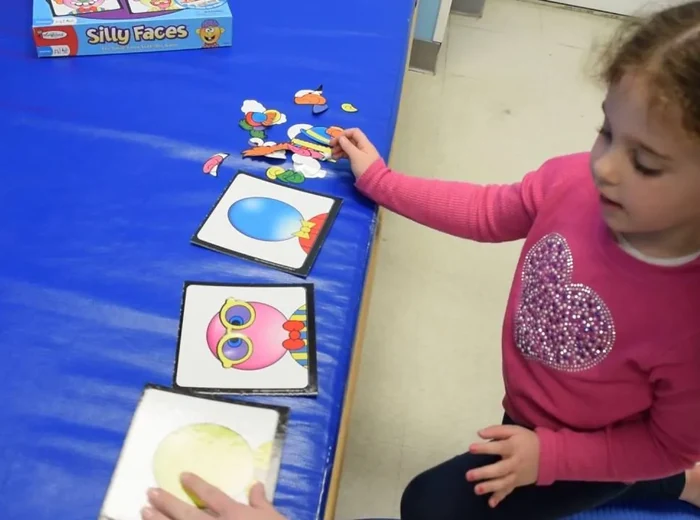

Sensory Processing
Touch, pressure and body awareness decide what the hands are willing to do. When the sensory piece is in the way, the motor piece stalls.

Motor Planning & Executive Functioning
Holding the scissors is one skill. Working out the steps of a task and actually starting it is a different one.

OT Solutions Overview
Every occupational therapy focus we treat in Port Chester and Mt Kisco, gathered in one place.