Motor Coordination in Westchester County
He trips over nothing. The ball goes through his hands. And lately he has started saying he does not feel like playing, which you know is not really about the playing. Coordination is a skill, and skills can be taught.
What makes coordination hard for a child?
Coordination is timing. It is the body organizing several things at once so that what a child intends and what a child does are the same thing. Plenty of children hit every milestone on schedule and still find this hard, which is confusing, because nothing on paper says anything is wrong. Underneath a child who trips, drops and gives up early there are usually one or two ingredients missing. That is what the evaluation at our Port Chester and Mt Kisco clinics looks for.
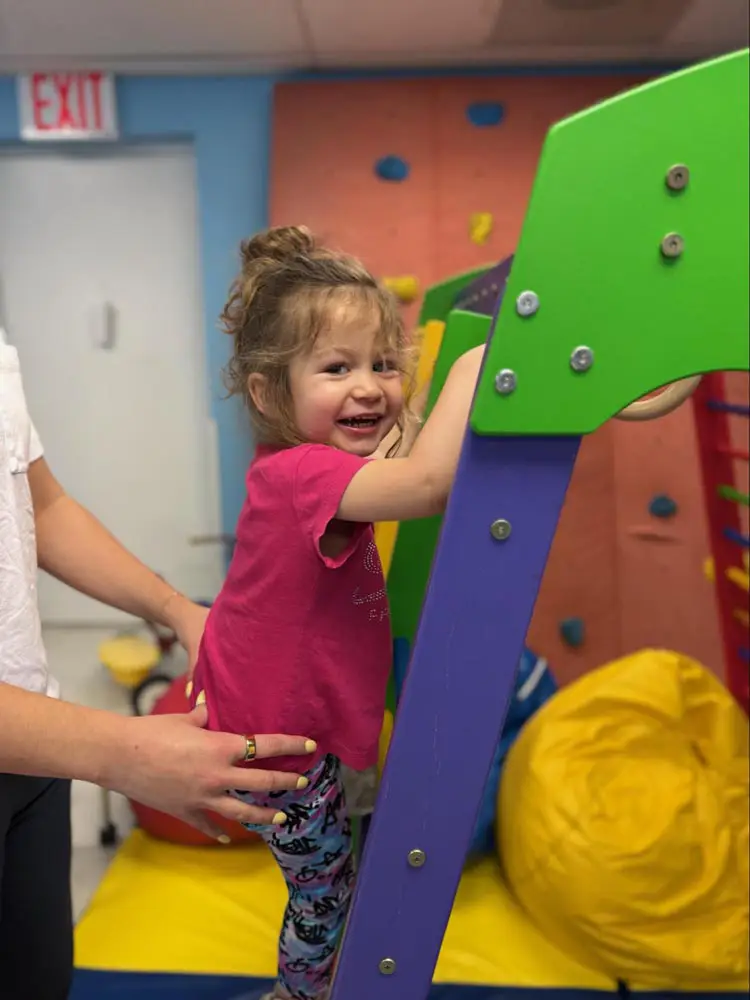
Catching a ball means the eyes track it, the brain predicts where it will be, and the hands arrive there before it does. A child can be behind anywhere on that chain, and it looks the same from the sideline: hands closing late, the ball off the fingertips, the swing after the pitch is past. It is a trainable skill, not a fixed trait.
Bilateral coordination is the two sides of the body working as a team, sometimes doing the same thing and sometimes doing two different jobs at once. Jumping jacks, skipping, pumping on a swing, holding a bat with both hands, and climbing a ladder all depend on it. When it is underdeveloped, movement looks stiff or one sided, and everything takes longer to learn than it should.
Arms and legs are only as accurate as the trunk they are attached to. If the middle is not holding steady, every reach and kick starts from a moving platform, and precision goes out the window. This is why coordination work so often begins with the core, and why a child who slumps at the table is frequently the same child who cannot land a jump.
Children know where their limbs are through sensors in the joints and muscles and through the balance system in the inner ear. When those signals come through faintly, a child leans on vision to stay upright, which is why they fall more in the dark, on uneven ground, or when their head is turning. Standing on one foot to kick a ball becomes a genuinely hard problem.
Some children have the strength and balance but struggle to build the plan: what to do first, in what order, and how much force. They watch a demonstration and then start it three different ways. Learning takes more repetitions than usual, and new activities are far harder than familiar ones. This overlaps with motor planning work, and where it looks like the main issue, we say so.
Coordination improves with repetition, so a child who quietly opts out of gym class and the playground gets less of exactly what would help. It compounds, and by second or third grade the gap can look bigger than it really is. It is also the part that turns around fastest once a child starts succeeding at something.
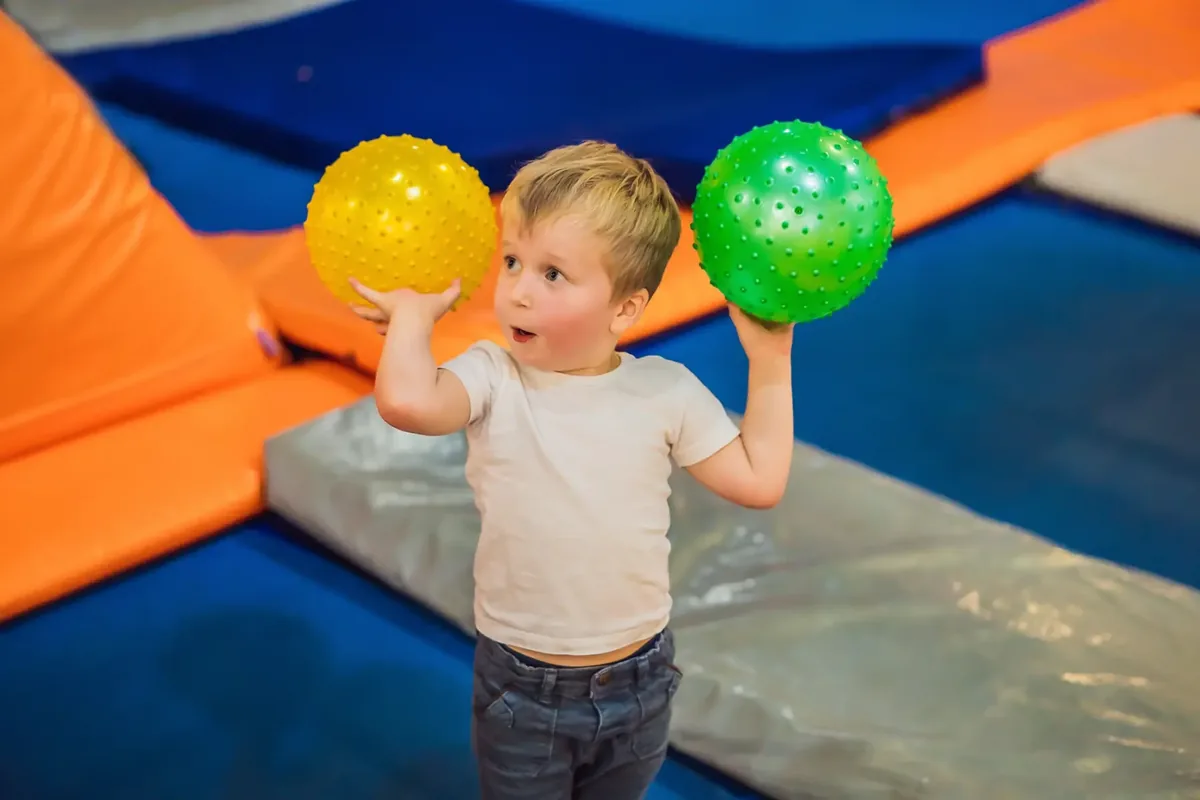
How physical therapy in Port Chester and Mt Kisco helps.
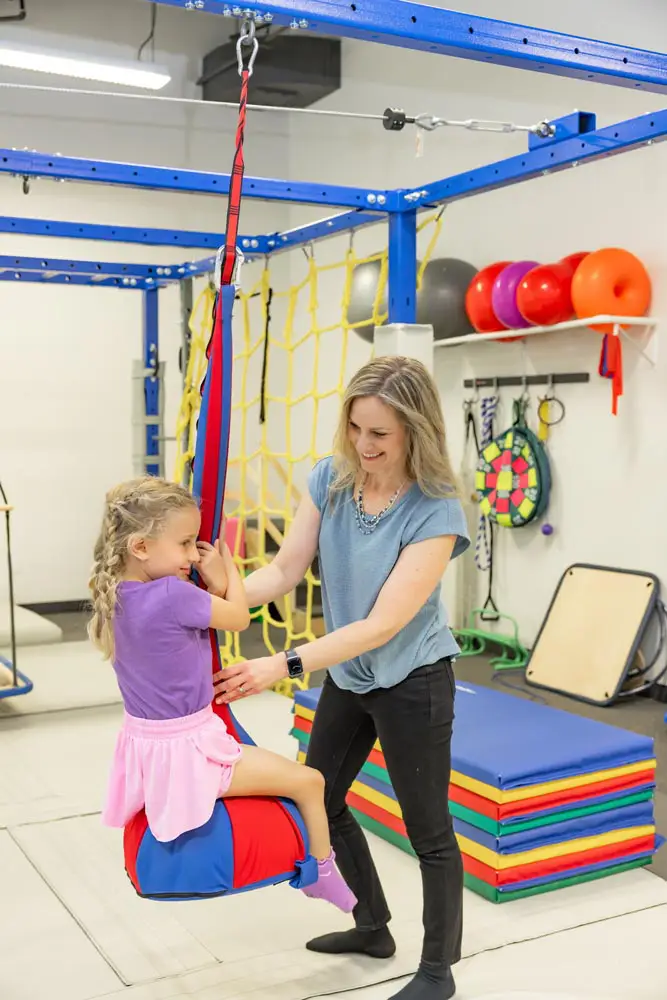
Physical therapy can give a child a real boost heading into a season, and it works because coordination responds to training the way strength does. Sessions use obstacle courses, fitness challenges and sport specific drills to build strength, balance, coordination, endurance and, just as importantly, confidence. To be good at any activity a child needs some proficiency in hand and eye coordination and in bilateral coordination, so those get worked directly rather than hoped for. We give you strategies and progressions for sessions and for the home exercise program, because the drill your child does at home is the one that moves the needle.
The point is not to turn your child into an athlete unless that is what they want. It is to close the gap between what they intend and what their body does, so gym class stops being the worst part of the day. New York State requires a physician's prescription for pediatric physical therapy, and our physician resources page has the codes your pediatrician needs. You can book a free 15 minute consultation before you have one.
What to expect, from the first visit on.
Pain
Most children here are not in pain, so this phase is about the difficulty rather than pain. Where there is pain, in an older child or a teen, we chase that first. The evaluation looks at strength, balance, endurance, hand and eye work and bilateral skills, and establishes what your child can do today so progress is measured.
Prime
Then we build the ingredients the skills sit on. Core and hip strength for a steady base, single leg balance, endurance so the fifth try looks like the first, and enough body awareness to know where an arm is without checking. This is the least glamorous phase and the one that makes everything after it possible.
Perform
Now the actual skills. Catching, throwing, kicking, skipping, jumping, and the sport specific drills for whatever your child is trying to keep up with. Obstacle courses and fitness challenges keep the repetitions high and the effort disguised. Difficulty gets nudged up only as fast as your child keeps winning, because success is what keeps them trying.
Prevent
Coordination holds when it keeps getting used. You leave with a home exercise program and progressions to move through as your child improves, plus ideas for activities outside the clinic that keep building it. The goal is a child who joins the game on their own.
Joe is an excellent therapist. He diagnosed my son’s muscular problem within ten minutes of our first session/evaluation. My son had physical therapy many times from other providers, but they were not effective. After only 5 sessions my son is pain free.
Coordination rarely travels alone.
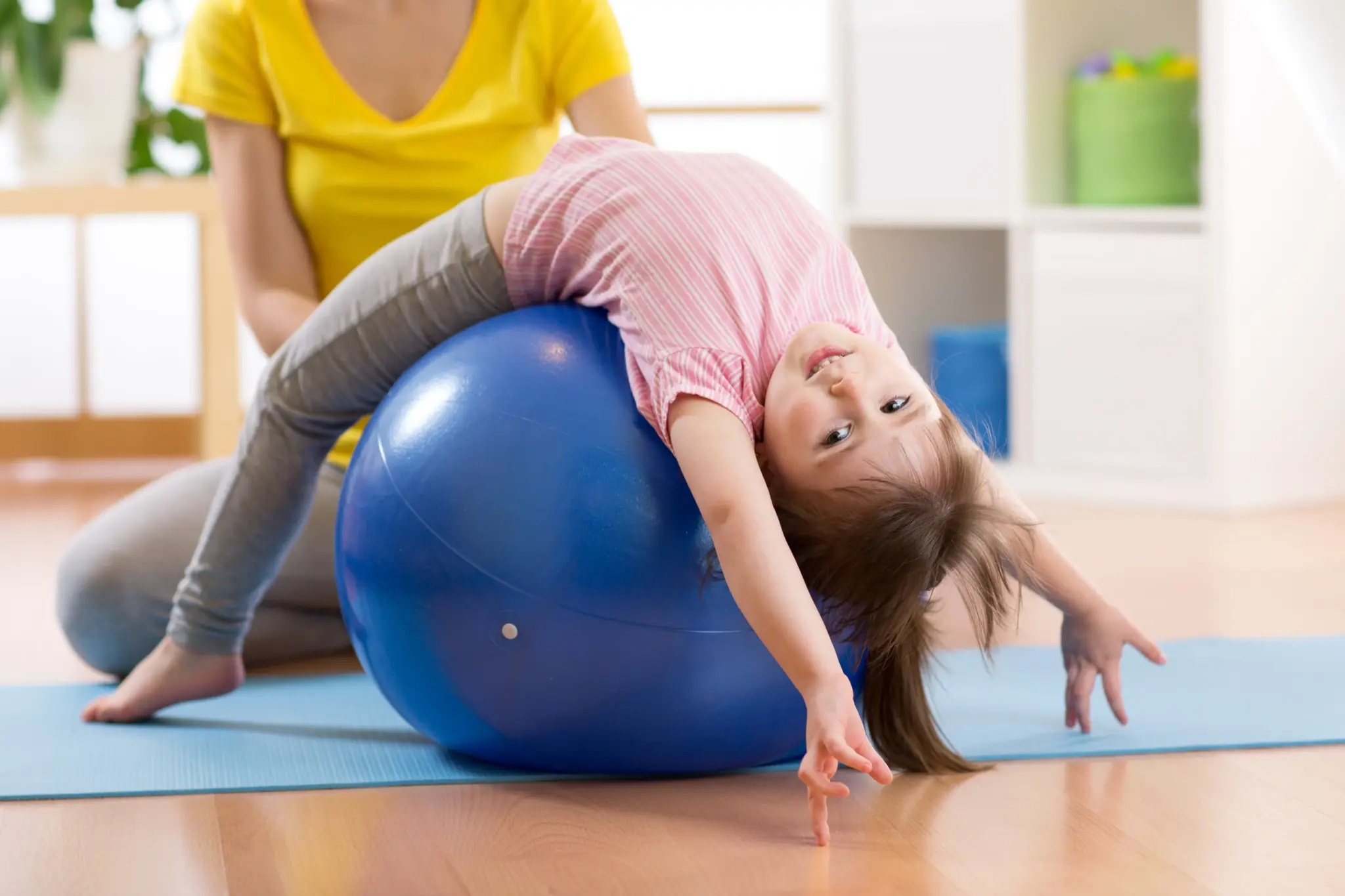

Core Strength & Conditioning
Accurate arms and legs need a steady middle. This is usually where coordination work starts.
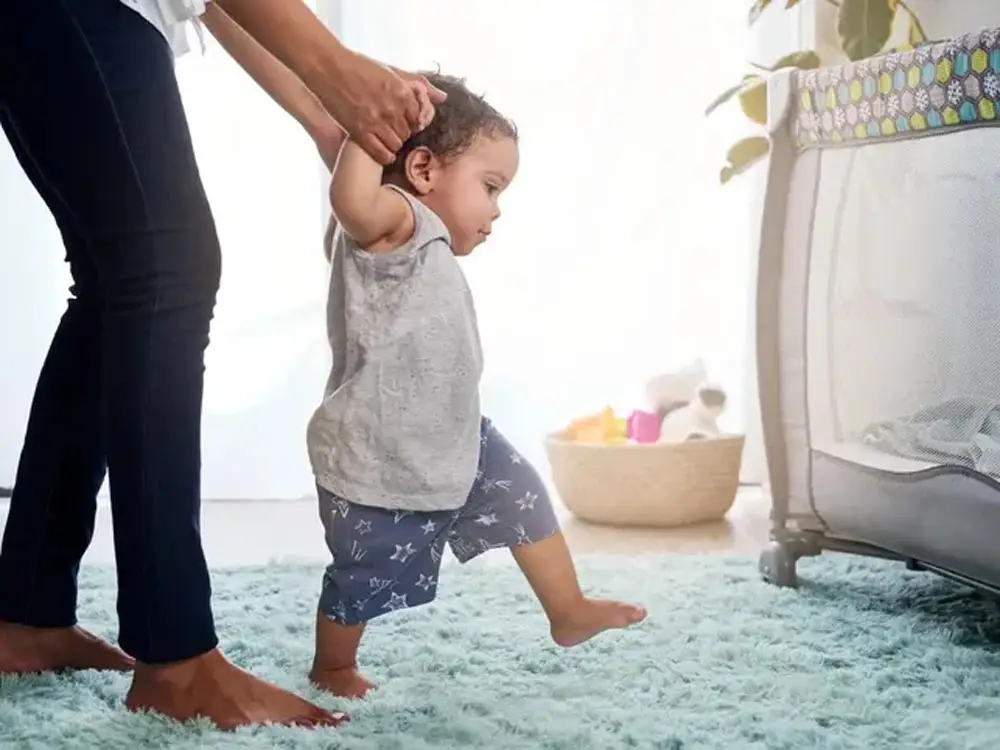
Gross Motor Delays
When the milestones themselves are running late, not just the polish on top of them.
Motor Planning
For the child who has the strength and balance but cannot build the plan for a new movement.